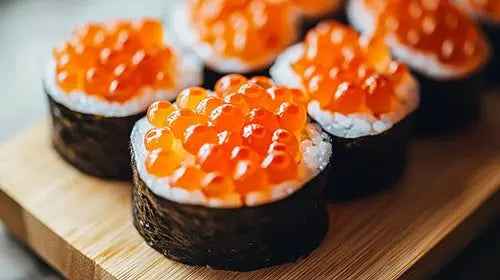
For centuries, sturgeon caviar has been prized for its delicate pearls, distinctive flavour and place in fine dining. It also contains nutrients found naturally in fish roe. Understanding those nutrients is useful, but enjoying caviar is not the same as receiving a proven medical treatment.
What Nutrients Are Found in Sturgeon Caviar?
Sturgeon caviar contains protein and various vitamins, minerals and fats. The exact amounts depend on the species, product, serving size and preparation. Always consult the product's nutrition information when evaluating specific nutrient amounts.
- Omega-3 fatty acids: Fish roe contains omega-3 fats, including DHA and EPA. These fats play important roles in normal bodily function, but that does not establish that an occasional serving of caviar prevents disease.
- Vitamin B12: Vitamin B12 is involved in normal nervous-system function and red-blood-cell formation.
- Minerals: Fish roe can provide minerals such as selenium, iron and phosphorus. Actual amounts vary across products.
- Protein: Caviar provides protein, though it is typically served in small portions rather than eaten as a main protein source.
What Does the Research Tell Us?
Much of the research on omega-3 fatty acids looks at overall dietary patterns, fish consumption or concentrated supplements, not caviar servings specifically. It would be misleading to claim that eating caviar has been shown to lower cholesterol, prevent cognitive decline, protect against osteoporosis, improve fertility or treat skin conditions. The presence of a nutrient does not, on its own, prove those outcomes for a particular food.
For background on omega-3 fatty acids and the limits of current evidence, see the NIH Office of Dietary Supplements omega-3 overview.
Serving Size, Sodium and Responsible Enjoyment
Caviar is salt-cured and can contain substantial sodium relative to the small amount served. People monitoring dietary sodium should consider their overall intake and check applicable product information. Its premium price also means there is no reason to rely on caviar as a daily source of essential nutrients.
Farmed sturgeon caviar provides an alternative to roe from wild-caught sturgeon populations, many of which face conservation pressures. When choosing a product, pay attention to its species, sourcing and storage guidance.
How to Enjoy Sturgeon Caviar
Enjoy a small portion lightly chilled, on its own or with simple accompaniments. Blinis, crème fraîche, potatoes and toast points are traditional options. Add the roe shortly before serving to preserve its texture.
To explore varieties and their characteristics, visit our sturgeon caviar collection, our Canadian caviar price guide or the buying guide.
The Bottom Line
Sturgeon caviar offers a distinctive culinary experience and naturally occurring nutrients. Enjoy it in moderation as part of a varied diet without treating it as a remedy or substitute for medical advice.